









Know Your Nature Parks - Summer 2025–26
Summer on Milawul (Phillip Island) is a time of warmth, wonder, and connection. With sunshine overhead and blue skies stretching across the coast, our beaches become a vibrant gathering place for locals and visitors alike. But beyond the sandcastles and surfboards, something quieter and just as remarkable is happening, migratory birds are arriving to feed, nest, and rest along our shores.
In the skies – Birdlife
Hooded plovers
It is an exciting time on our beaches with the 2025–26 breeding season underway. Hooded plovers affectionately known as ‘hoodies’ are on our shores along with other shorebird species such as sooty oystercatchers and Eastern curlews.
Hoodies breed from August to April, with pairs claiming a stretch of beach to nest and raise their chicks on. They typically lay two to three eggs in a simple sand scrape. Both parents share incubation duties for about 28 days. Once hatched, chicks leave the nest almost immediately and must find their own food and shelter, while parents stand guard and alert them to potential dangers.
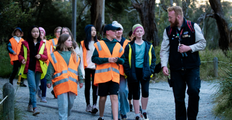
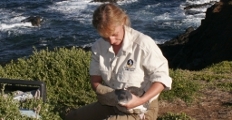
The breeding season is well underway with several active nests across Phillip Island (Milawul) and we expect to see more nests over the coming months. To help protect these vulnerable birds, we have welcomed Team Hoodie, a group of dedicated volunteers and staff who will monitor breeding activity throughout the breeding season.
Our local community plays a vital role in safeguarding these tiny yet mighty shorebirds. Your care and cooperation are key to a successful breeding season and the ongoing conservation of the species.
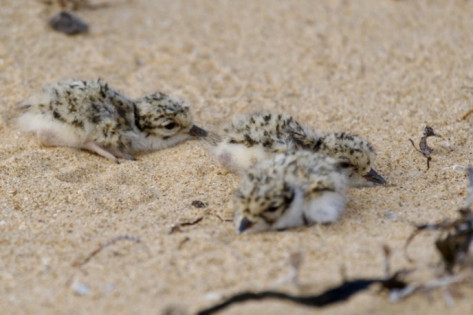
Image 1: First hooded plover chicks on Milawul for the 2025–26 breeding season.
Fairy terns
The first sightings of Critically Endangered fairy terns (Sternula nereis) for the season occurred in early October along the Phillip Island (Milawul) Ramsar coast, with around 12 individuals observed roosting on the beach and showing early signs of courtship and prospecting for nest-sites.
Since then, the birds have been consistently visiting the potential breeding site. To support the colony, the Phillip Island Nature Parks (the Nature Parks) have been installing signage and exclusion fencing to minimise disturbance while the birds consider the area as a potential nesting site.
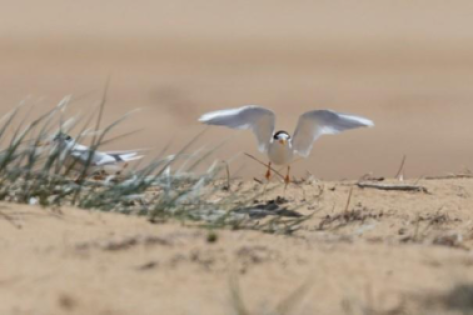
Image 2: Fairy tern preparing to fly.
On our shores and in the water
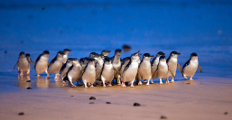
Little penguins
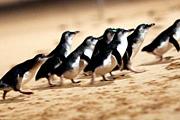
The start of the 2025–26 little penguin breeding season has begun more slowly than the 2024–25 season, with breeding commencing approximately two months earlier than the long-term average. This is following an unusually strong autumn breeding event and although some little penguins attempted an autumn clutch this year, most attempts did not produce fledglings.
Overall, 38% of monitored burrows across the Penguin Parade area are currently showing breeding activity, with little penguins incubating eggs, and in both guard and post-guard stages of chick rearing. The average number of little penguins crossing the beach each evening at the Penguin Parade fluctuated from a low of 592 in July, to a high of 1,121 in October.
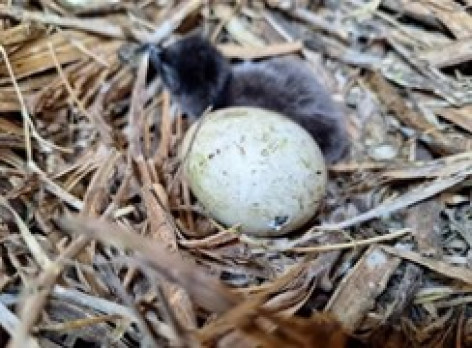
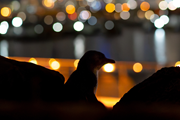
Image 3: Little penguin chick and pipping egg
Seals on beaches
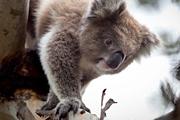
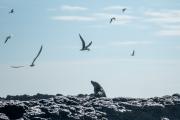
Our Research team at the Nature Parks is monitoring seals to understand how they respond to the environment and ways to support their conservation. The breeding season for the Australian fur seal has started at Seal Rocks with last year’s pups being weaned by their mums as they welcome new pups.
Sadly, not all young seals survive weaning, therefore we expect to see deceased seals on our beaches during December and January.
What to do if you see a seal on the beach:
- Leave it alone and maintain a safe distance from the seal, at least 30 m to allow the seal to rest.
- Keep dogs restrained and at least 50 m away from the seal to avoid frightening or injuring the seal. Seals and dogs can also share diseases, so best to keep your dog away.
- Do not feed the seal as it may become habituated to humans and unable to fend for itself in the wild.
- Do not attempt to move the seal back into the water or throw water over it – they can self-regulate their body temperature.
- Seal sightings can be reported on our website at penguins.org.au
- If you believe the seal is sick or injured, contact the 24/7 Wildlife Victoria hotline on 03 8400 7300.
The greatest thing you can do for wildlife is to keep it wild. Always maintain a safe distance and remember how fortunate we are to share our beautiful island home with them.
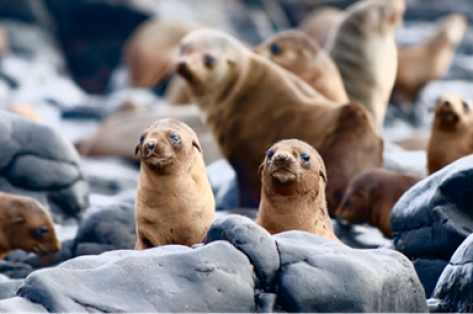
Image 4: Australian fur seals
On the ground with threatened species
Bush stone-curlews
In November, we celebrated a historic milestone, with the first wild hatched bush stone-curlew chick being recorded on Milawul. This achievement reflects the incredible dedication of our conservation team, yet sadly, ongoing monitoring indicated that the chick has not survived. An unfortunate yet common outcome for young, first-time breeding bush stone-curlews.
The good news is the breeding season is far from over. Global Positioning System (GPS) data confirms the adult pair is still together, and camera footage shows they have built a new nest and have laid two eggs.
We remain hopeful that bush stone-curlews will once again thrive in the wild on Milawul, and we will continue to share updates as this exciting journey unfolds.
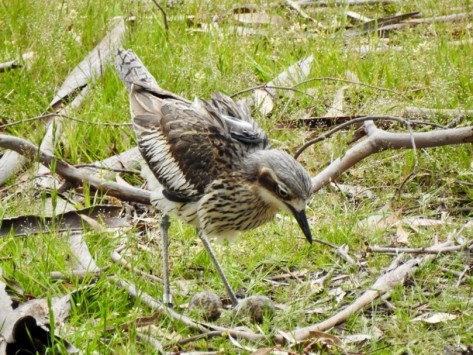
Image 5: A bush stone-curlew adult guarding eggs.
Conservation dogs
Foxes and feral cats collectively kill approximately 2.6 billion native animals in Australia each year. On Milawul, a special team of highly trained dogs is on a ‘nose to ground’ mission to detect threats to wildlife before they strike.
The Nature Parks conservation dogs work alongside experienced handlers, rangers and scientists to sniff out the hidden signs of dangerous predators such as foxes and feral cats. With just one whiff of scat (faeces), the dogs’ extraordinary sense of smell can reveal vital clues about where predators roam. This data and information would take humans multiple days to uncover, but it only takes our dogs minutes.
These remarkable four-legged rangers cover up to 50 km every week, tirelessly searching the coastline and bushland for evidence of threats. Their work maintains our ‘fox-free’ status on the island and strengthens the fight against feral cats. The ongoing management and control of feral pests protect our precious wildlife such as the iconic little penguin, hooded plovers, fairy terns, Eastern barred bandicoots and bush stone-curlews.
You can support these highly trained, professional wildlife heroes - Marbee, Milly, Macey and Blaze to continue their work on the frontline. With your generous support, they will become the next generation of guardians for the island’s wildlife.
Every gift helps us train these professional working dogs into skilled wildlife protectors. The dogs are specialists and vital to the ongoing conservation work done in tandem with their handlers, they are true wildlife warriors. Show your support at conservation-dogs-appeal.raiselysite.com
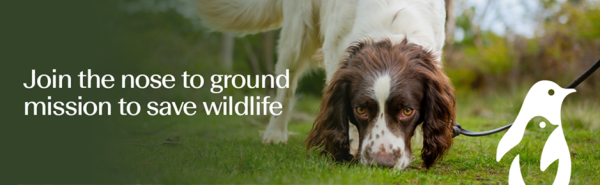
Image 6: Blaze, a fox detection dog.
For the locals
Beach safety
As warmer weather arrives, the Bass Coast region is calling all beachgoers to safely enjoy the sandy shores this summer. To help you stay safe, we encourage everyone to download the Surf Life Saving Australia, Beachsafe app or go to the Life Saving Victoria website lsv.com.au for important information on beach safety.
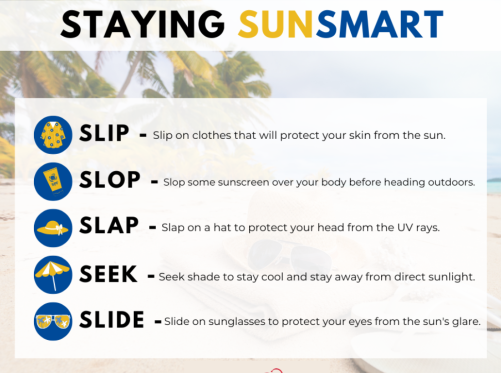
Always swim at patrolled locations and in hot weather, take steps to protect yourself and others. Remember to slip, slop, slap, seek and slide.
Rhyll Inlet boardwalks upgrade
Trail users can enjoy an improved nature experience at Rhyll Inlet with the newly upgraded wetland boardwalk and adjoining trails now open to the public. Further improvements are underway for the McIlwraith boardwalk, set to open before Christmas, and the Diamond Dolly Quarry lookout to be upgraded in the new year.
The works are part of the Nature Parks ongoing commitment to providing safe and accessible natural areas for visitors and the community around Phillip Island (Milawul). This work is part of a long-term capital works program and an example of how eco-tourism directly funds public assets.
We thank the community for their understanding during short-term closures and encourage all visitors to explore and enjoy these beautiful natural areas over the summer.
For project updates, please visit Infrastructure Projects.
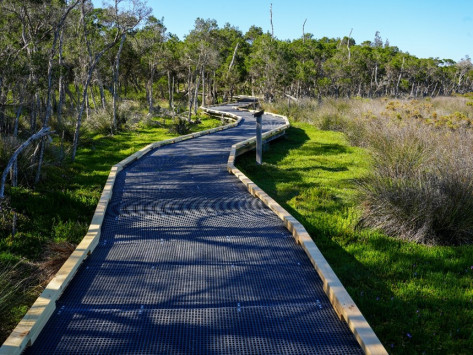
Image 7: Rhyll Inlet boardwalk and trails upgrade.
Support your Nature Parks
Sharing our Shores
From 1 December 2025 to 30 April 2026, the Nature Parks, in partnership with BirdLife Australia, Bass Coast Shire Council, and the Department of Energy, Environment and Climate Action (DEECA) Conservation Regulator, is once again delivering the Sharing our Shores campaign.
This campaign is designed to engage the community and visitors in protecting wildlife while enjoying the beautiful beaches on Phillip Island (Milawul). The campaign is supported by regular beach patrols, including compliance officers. These patrols help ensure beachgoers are following regulations and provide opportunities to educate the public about nesting shorebirds and how we can all help protect them.
You can play a part in this important work by taking a few simple steps:
- Stay on designated tracks and avoid walking on dunes.
- Follow advice in refuge areas to protect nesting shorebirds.
- Keep dogs on leads and cats indoors.
- Take your rubbish with you to keep the beaches clean and safe.

Volunteer at the Nature Parks
Join our amazing team of volunteers at Phillip Island Nature Parks! To learn more and sign up here.
We’d love to see your images from around the Nature Parks
Don't forget to share your summer images of the Nature Parks with us by using our hashtag #PhillipIslandNP