










New milestone for bush stone-curlew re-introduction trial
Bush stone-curlews have been released in the wild on Phillip Island (Milawul), in the next phase of a landmark re-introduction program for the critically endangered species in Victoria.
The 14 birds have joined the birds already in the wild with the hope they will breed and increase genetic diversity in the population. The goal is to eventually have a self-sustaining and robust population.
Phillip Island Nature Parks has previously released a total of 45 bush stone-curlews, in several groups, from captivity into the wild since 2024 and has been carefully monitoring the population’s progress using a combination of tiny GPS backpacks worn by the birds, remote camera surveillance and ground surveys by researchers and volunteers.
Monitoring thus far has shown that the primary cause of mortality for bush stone-curlews on the island is being hit by cars with the birds especially vulnerable as they adjust to their new surroundings.
In this release only half the birds will have their wings clipped, with researchers investigating whether this assists the birds avoiding the threat of cars. Before this, all birds had wings clipped so they would stay close to the release zone rather than disperse away from the island, a strategy that increases their survival rate when there are no resident birds.
Phillip Island Nature Parks Senior Scientist Dr Duncan Sutherland said the reintroduction program was a great example of conservation made possible through collaboration.
“With the first wild releases we have determined that bush stone-curlews can survive on Phillip Island,” he said.
“Now we are introducing birds from all around Australia, to encourage more breeding and a diverse genetic population, which will give the birds the best chance of success in a changing environment.”
Earlier this year the birds started breeding with three wild chicks hatched, and whilst they did not survive to fledge, it shows the population is starting to settle in and is comfortable to start reproducing.
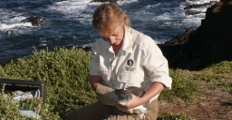
“The birds are all fitted with tiny GPS-tracking backpacks and identification bands so we can monitor their progress, habitat use, movement patterns, and reproductive success.”
“We have seen some promising signs and anticipate more breeding attempted later this year, with the hope that some of the chicks survive to fledge and begin to establish a self-sustaining wild population on Milawul.”
“We hope this program improves the long-term viability of curlews right across south-eastern Australia.” Dr Sutherland said.
The 14 newly released bush stone-curlews are captive birds from Phillip Island that have been sourced from around Australia, including Alice Springs Desert Park, Australian Reptile Park, Byron Bay Wildlife Sanctuary, Caversham Wildlife Park, Currumbin Wildlife Sanctuary, Featherdale Sydney Wildlife Park, Lone Pine Koala Sanctuary, Oakvale Wildlife Park and Wildlife Habitat Port Douglas.
The re-introduction of the species is a collaboration between Phillip Island Nature Parks, Odonata Foundation and The Australian National University, with support from the Penguin Foundation.
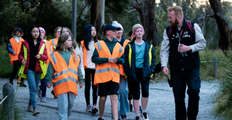
Visitors to Phillip Island can see bush-stone curlews at the Koala Conservation Reserve and learn more about the reintroduction trial from a passionate team of 17 Curlew Custodian volunteers who assist with food preparation, observations, health checks and educating visitors.
Community support is integral to the success of this trial. Residents and visitors can help support Phillip Island’s bush stone-curlews by:
- Driving slowly, especially between dusk and dawn with birds are most active. Curlews usually do not fly to avoid cars, making them especially vulnerable.
- Keeping dogs on a leash and cats always contained.
- Leaving fallen logs on the ground for habitat.
- Reporting curlew sightings at the Victorian bush stone-curlews (Burhinus grallarius) · iNaturalist or via email to community@penguins.org.au